
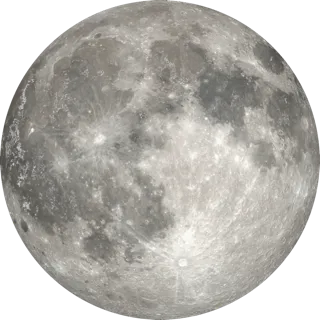
Hunter's Moon
Monday 26 October 2026, full at 04:11 GMT
Rises 15:58 on Sun 25 Oct
The full Moon after the Harvest Moon, usually in October.
Every full Moon for the next twelve months, with the moment it is full in UK time, when it rises over the middle of Britain, and its traditional name. A full Moon rises around sunset and is up all night, which makes it the best night of the month for a moonlit walk and the worst for faint stars and meteors.
Monday 26 October 2026, full at 04:11 GMT, rising at about 15:58 on Sunday 25 October.
The full Moon after the Harvest Moon, usually in October.
Monday 26 October 2026, full at 04:11 GMT
The full Moon after the Harvest Moon, usually in October.
Tuesday 24 November 2026, full at 14:53 GMT
November's full Moon, named either for the beaver traps set in this month or for the beavers busily building their winter dams.
A full Moon near perigee: larger and brighter than an average full moon, and bright enough to wash out fainter targets for a couple of nights either side.
Thursday 24 December 2026, full at 01:28 GMT
December's full Moon, named for the coming of winter.
The final full Moon of 2026 falls near perigee, appearing up to 14% larger and 30% brighter than a full moon at apogee.
Friday 22 January 2027, full at 12:17 GMT
January's full Moon, named after the howling of hungry wolves in the depths of winter.
The closest and brightest full Moon of 2027, less than a day after perigee at about 357,600 km. Full at 12:17, so look for it rising in the north-east at dusk.
Saturday 20 February 2027, full at 23:23 GMT
February's full Moon, named for the month's cold, snowy weather in North America.
This full Moon brings a penumbral lunar eclipse.
Monday 22 March 2027, full at 10:44 GMT
The last full Moon of winter, named after the worm trails that appear in newly thawed ground.
Tuesday 20 April 2027, full at 23:27 BST
April's full Moon, named after an early-blooming pink wildflower in North America. The Moon doesn't turn pink.
Thursday 20 May 2027, full at 11:59 BST
May's full Moon, named for the flowers that bloom as spring gets going.
Saturday 19 June 2027, full at 01:44 BST
June's full Moon, named after the strawberry harvest in North America.
Sunday 18 July 2027, full at 16:45 BST
July's full Moon, named because male deer regrow their antlers around this time.
Tuesday 17 August 2027, full at 08:29 BST
August's full Moon, named by North American fishing tribes because sturgeon were plentiful in this month.
Thursday 16 September 2027, full at 00:04 BST
The full Moon closest to the autumn equinox. It rises soon after sunset several evenings in a row, and its light once let farmers work late into the night bringing in the harvest.
The full Moon closest to the autumnal equinox, full at 00:03 on 16 September; it rises soon after sunset on several evenings in a row, traditionally lighting the harvest.
Friday 15 October 2027, full at 14:47 BST
The full Moon after the Harvest Moon, usually in October.
The first full Moon after the Harvest Moon, full at 14:47; it rises in the east around sunset.
Sunday 14 November 2027, full at 03:26 GMT
November's full Moon, named either for the beaver traps set in this month or for the beavers busily building their winter dams.
Monday 13 December 2027, full at 16:09 GMT
December's full Moon, named for the coming of winter.
The last full Moon of 2027, full at 16:09 and rising in the north-east at dusk. It rides high through the long December night and spoils the Geminids the following night.
Saturday 26 September 2026, full at 17:49 BST
The full Moon closest to the autumn equinox. It rises soon after sunset several evenings in a row, and its light once let farmers work late into the night bringing in the harvest.
The full Moon closest to the autumnal equinox, traditionally used by farmers to extend working hours into the evening.
Friday 28 August 2026, full at 05:18 BST
August's full Moon, named by North American fishing tribes because sturgeon were plentiful in this month.
This full Moon brings a partial lunar eclipse.
Wednesday 29 July 2026, full at 15:36 BST
July's full Moon, named because male deer regrow their antlers around this time.
Tuesday 30 June 2026, full at 00:57 BST
June's full Moon, named after the strawberry harvest in North America.
Sunday 31 May 2026, full at 09:46 BST
The second full Moon in a calendar month. The name is about the calendar; the Moon doesn't change colour.
The second full moon in a single calendar month — a 'blue moon'. No colour change; the name is calendrical.
Friday 1 May 2026, full at 18:24 BST
May's full Moon, named for the flowers that bloom as spring gets going.
The first of two full moons in May. The second, on 31 May, is the blue moon.
Thursday 2 April 2026, full at 03:13 BST
April's full Moon, named after an early-blooming pink wildflower in North America. The Moon doesn't turn pink.
Tuesday 3 March 2026, full at 11:38 GMT
The last full Moon of winter, named after the worm trails that appear in newly thawed ground.
Sunday 1 February 2026, full at 22:10 GMT
February's full Moon, named for the month's cold, snowy weather in North America.
Saturday 3 January 2026, full at 10:03 GMT
January's full Moon, named after the howling of hungry wolves in the depths of winter.
First full moon of the year, known as the Wolf Moon; the Moon is near perigee so it appears larger and brighter than average.
The next full Moon is the Hunter's Moon on Monday 26 October 2026, full at 04:11 GMT UK time, rising at about 15:58 on Sunday 25 October.
The full Moon after the Harvest Moon, usually in October.
The Beaver Moon on 24 November 2026 is a supermoon: a full Moon close to the Moon's nearest point to Earth, so it looks a little bigger and brighter than usual. Supermoon isn't an official astronomical term, and lists differ on which full Moons count.
The second full Moon in a calendar month. The name is about the calendar; the Moon doesn't change colour.
More in the night sky: Meteor showers · Eclipses · Solstices and equinoxes · Planets and comets. Every event in one list: the UK sky calendar.