
Perseid meteor shower 2027: UK peak night and best time
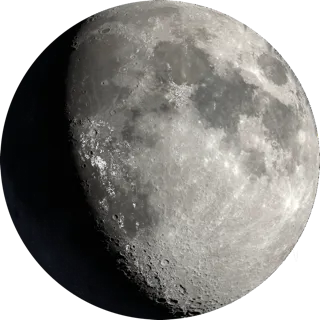 84% moon
Peak night: 12–13 Aug 2027 Peak in 298 days
Active 17 Jul – 24 Aug 2027. 17 Jul Peak 24 Aug Best after midnight, as Perseus climbs high in the north-east.
Up to 100 meteors an hour at the peak under a perfectly dark sky; expect fewer in practice. On the peak night, an 84% lit Moon sets at about 01:06, so the darkest skies come after that.
The Perseids at a glance
- Radiant
- Northern Perseus, just below the W of Cassiopeia
- Parent
- Comet 109P/Swift-Tuttle
- Meteor speed
- About 59 km/s (131,983 mph)
- Peak rate (ZHR)
- Up to 100 an hour
How many meteors to expect
Up to about 100 an hour at the peak under a perfectly dark sky. From a rural UK site expect 30 to 50 an hour after midnight, with many bright, fast meteors that leave trains. Rates build from late July, so a week either side of the peak is still worth a look.
How to find the radiant
Find the W shape of Cassiopeia in the north-east. The radiant lies just below it, in the constellation of Perseus. From the UK it never sets, so Perseids can be seen as soon as it is dark, but the radiant climbs higher through the night and the best rates come in the small hours.
About the Perseids
The Perseids are debris from Comet Swift-Tuttle, which was seen in 1737, 1862 and 1992 and returns roughly every 130 years. In some Catholic traditions they are called the Tears of St Lawrence, because they peak close to the date he was martyred. Warm August nights make the Perseids the most watched shower of the year in the UK, though short nights in early August leave only a few hours of full darkness.
Where to watch the Perseids in the UK
Get away from street lights to somewhere with a wide view of the sky. Britain’s darkest skies sit over its upland national parks and Dark Sky Parks; each area below lists the peaks with forecasts and stargazing scores.
Perseids questions
When is the Perseid meteor shower 2027?
The Perseids are active from 17 July to 24 August 2027 and peak on the night of 12–13 Aug 2027.
What time is best to see the Perseids?
Best after midnight, as Perseus climbs high in the north-east. On the peak night, an 84% lit Moon sets at about 01:06, so the darkest skies come after that.
Where should I look to see the Perseids?
The meteors appear to come from northern Perseus, just below the W of Cassiopeia. Find the W shape of Cassiopeia in the north-east. The radiant lies just below it, in the constellation of Perseus. From the UK it never sets, so Perseids can be seen as soon as it is dark, but the radiant climbs higher through the night and the best rates come in the small hours.
How many Perseids will I see?
Up to about 100 an hour at the peak under a perfectly dark sky. From a rural UK site expect 30 to 50 an hour after midnight, with many bright, fast meteors that leave trains. Rates build from late July, so a week either side of the peak is still worth a look.
More showers: Quadrantids · Lyrids · Eta Aquariids · Southern Delta Aquariids · Alpha Capricornids · Draconids · Orionids · Taurids · Leonids · Geminids · Ursids. Every sky event this year: the UK sky calendar.