
Leonid meteor shower 2026: UK peak night and best time
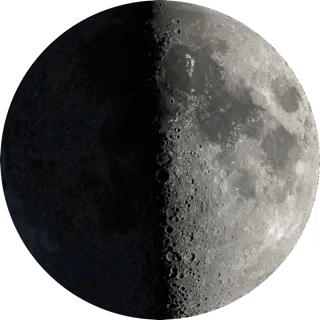 57% moon
Peak night: 17–18 Nov 2026 Peak in 30 days
Active 6 Nov – 30 Nov 2026. 6 Nov Peak 30 Nov Best after midnight, once Leo has risen in the east.
Up to 15 meteors an hour at the peak under a perfectly dark sky; expect fewer in practice. On the peak night, a 57% lit Moon sets at about 23:45, so the darkest skies come after that.
The year after: peak night 17–18 Nov 2027. An 83% lit Moon is up all night and will wash out the fainter meteors.
The Leonids at a glance
- Radiant
- The Sickle of Leo, the backwards question mark that ends at the star Regulus
- Parent
- Comet 55P/Tempel-Tuttle
- Meteor speed
- About 71 km/s (158,827 mph)
- Peak rate (ZHR)
- Up to 15 an hour
How many meteors to expect
Usually about 10 to 15 an hour at the peak. Leonids are the fastest meteors of any major shower, often bright, and many leave trains that glow for a second or two.
How to find the radiant
Leo rises in the east around midnight in mid-November. Look for the Sickle, a backwards question mark of stars curving up from Regulus; the radiant is in the middle of it. It is highest towards dawn, so the hours between midnight and first light are best.
About the Leonids
The Leonids are famous for meteor storms. Their parent comet, Tempel-Tuttle, orbits the Sun about every 33 years, and when Earth passes through fresh dust trails the rate can reach thousands an hour. The storm of 1833 produced an estimated 100,000 meteors an hour, and there were further storms in 1866, 1966 and from 1999 to 2002. The comet next passes the Sun in 2031; that return may bring more than 100 meteors an hour, but no storm is forecast.
Where to watch the Leonids in the UK
Get away from street lights to somewhere with a wide view of the sky. Britain’s darkest skies sit over its upland national parks and Dark Sky Parks; each area below lists the peaks with forecasts and stargazing scores.
Leonids questions
When is the Leonid meteor shower 2026?
The Leonids are active from 6 November to 30 November 2026 and peak on the night of 17–18 Nov 2026.
What time is best to see the Leonids?
Best after midnight, once Leo has risen in the east. On the peak night, a 57% lit Moon sets at about 23:45, so the darkest skies come after that.
Where should I look to see the Leonids?
The meteors appear to come from the Sickle of Leo, the backwards question mark that ends at the star Regulus. Leo rises in the east around midnight in mid-November. Look for the Sickle, a backwards question mark of stars curving up from Regulus; the radiant is in the middle of it. It is highest towards dawn, so the hours between midnight and first light are best.
How many Leonids will I see?
Usually about 10 to 15 an hour at the peak. Leonids are the fastest meteors of any major shower, often bright, and many leave trains that glow for a second or two.
More showers: Quadrantids · Lyrids · Eta Aquariids · Southern Delta Aquariids · Alpha Capricornids · Perseids · Draconids · Orionids · Taurids · Geminids · Ursids. Every sky event this year: the UK sky calendar.