
Lyrid meteor shower 2027: UK peak night and best time
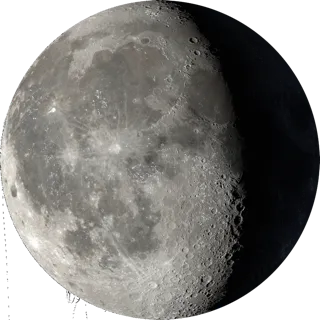 95% moon
Peak night: 22–23 Apr 2027 Peak in 186 days
Active 16 Apr – 25 Apr 2027. 16 Apr Peak 25 Apr Best after midnight, when Vega is high in the east.
Up to 18 meteors an hour at the peak under a perfectly dark sky; expect fewer in practice. On the peak night, a 95% lit Moon rises at about 23:19, so look before then.
The Lyrids at a glance
- Radiant
- Near the bright star Vega, on the border of Lyra and Hercules
- Parent
- Comet C/1861 G1 (Thatcher), a long-period comet
- Meteor speed
- About 49 km/s (109,613 mph)
- Peak rate (ZHR)
- Up to 18 an hour
How many meteors to expect
A medium shower: about 18 an hour at a dark site with the radiant high, for a few nights around the peak. Some Lyrids leave glowing trains, and short bursts have happened: in 1982 the rate briefly reached about 90 an hour.
How to find the radiant
Look for Vega, the brightest star in the north-east after midnight in April and a bright blue-white star in the summer triangle later in the year. The radiant sits just to the south-west of Vega. It rises in the north-east in the evening and is high by the small hours, so the best rates come after midnight and before dawn.
About the Lyrids
The Lyrids are the oldest recorded meteor shower still seen today: the first record dates from 687 BCE. They come from Comet Thatcher, a long-period comet last seen in 1861. Most years give a steady, modest display for about three nights, but the Lyrids occasionally surprise observers with short-lived bursts of activity and bright fireballs.
Where to watch the Lyrids in the UK
Get away from street lights to somewhere with a wide view of the sky. Britain’s darkest skies sit over its upland national parks and Dark Sky Parks; each area below lists the peaks with forecasts and stargazing scores.
Lyrids questions
When is the Lyrid meteor shower 2027?
The Lyrids are active from 16 April to 25 April 2027 and peak on the night of 22–23 Apr 2027.
What time is best to see the Lyrids?
Best after midnight, when Vega is high in the east. On the peak night, a 95% lit Moon rises at about 23:19, so look before then.
Where should I look to see the Lyrids?
The meteors appear to come from near the bright star Vega, on the border of Lyra and Hercules. Look for Vega, the brightest star in the north-east after midnight in April and a bright blue-white star in the summer triangle later in the year. The radiant sits just to the south-west of Vega. It rises in the north-east in the evening and is high by the small hours, so the best rates come after midnight and before dawn.
How many Lyrids will I see?
A medium shower: about 18 an hour at a dark site with the radiant high, for a few nights around the peak. Some Lyrids leave glowing trains, and short bursts have happened: in 1982 the rate briefly reached about 90 an hour.
More showers: Quadrantids · Eta Aquariids · Southern Delta Aquariids · Alpha Capricornids · Perseids · Draconids · Orionids · Taurids · Leonids · Geminids · Ursids. Every sky event this year: the UK sky calendar.