
Draconid meteor shower 2027: UK peak night and best time
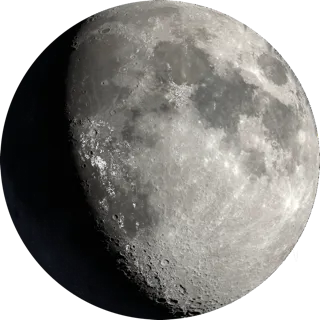 64% moon
Peak night: 8–9 Oct 2027 Peak in 355 days
Active 6 Oct – 10 Oct 2027. 6 Oct Peak 10 Oct Best in the early evening, while Draco is high in the north-west.
Up to 10 meteors an hour at the peak under a perfectly dark sky; expect fewer in practice. On the peak night, a 64% lit Moon sets at about 00:13, so the darkest skies come after that.
The Draconids at a glance
- Radiant
- The head of Draco, the Dragon, high in the north-west in the evening
- Parent
- Comet 21P/Giacobini-Zinner
- Meteor speed
- About 20 km/s (44,740 mph)
- Peak rate (ZHR)
- Up to 10 an hour
How many meteors to expect
Usually a quiet shower with only a few meteors an hour, but it can produce sudden outbursts of hundreds an hour when Earth crosses a dense trail of comet dust. Draconids are some of the slowest meteors of any shower.
How to find the radiant
Draco winds between the Plough and the Little Dipper. Its head is a small lozenge of four stars to the north-west of Vega. Unusually, the radiant is highest at nightfall, so the Draconids are an evening shower: look from dusk until around midnight, facing north-west.
About the Draconids
The Draconids are also called the Giacobinids after their parent, Comet Giacobini-Zinner. They produced spectacular meteor storms in 1933 and 1946, and strong outbursts in 2011, 2012 and 2018; in 2018 a rate of about 150 an hour lasted for about four hours. In most years there are no predictions of extra activity, so the shower is easy to miss, but it rewards anyone who checks for an outburst.
Where to watch the Draconids in the UK
Get away from street lights to somewhere with a wide view of the sky. Britain’s darkest skies sit over its upland national parks and Dark Sky Parks; each area below lists the peaks with forecasts and stargazing scores.
Draconids questions
When is the Draconid meteor shower 2027?
The Draconids are active from 6 October to 10 October 2027 and peak on the night of 8–9 Oct 2027.
What time is best to see the Draconids?
Best in the early evening, while Draco is high in the north-west. On the peak night, a 64% lit Moon sets at about 00:13, so the darkest skies come after that.
Where should I look to see the Draconids?
The meteors appear to come from the head of Draco, the Dragon, high in the north-west in the evening. Draco winds between the Plough and the Little Dipper. Its head is a small lozenge of four stars to the north-west of Vega. Unusually, the radiant is highest at nightfall, so the Draconids are an evening shower: look from dusk until around midnight, facing north-west.
How many Draconids will I see?
Up to about 10 an hour at the peak, under a perfectly dark sky with the radiant overhead. Usually a quiet shower with only a few meteors an hour, but it can produce sudden outbursts of hundreds an hour when Earth crosses a dense trail of comet dust. Draconids are some of the slowest meteors of any shower.
More showers: Quadrantids · Lyrids · Eta Aquariids · Southern Delta Aquariids · Alpha Capricornids · Perseids · Orionids · Taurids · Leonids · Geminids · Ursids. Every sky event this year: the UK sky calendar.