10 Sep – 20 Nov 2026 (peak 10 Oct)
A low, slow shower from Comet 2P/Encke, famous for bright fireballs rather than numbers; radiant in Taurus, best after midnight.
Meteor showers, eclipses, supermoons, planetary alignments and the solstices — every night-sky event worth a walk-in to a dark hillside this year, with the dates and times as seen from the UK. Times are Europe/London (GMT or BST); events listed by date only happen over a whole night rather than at a published instant.
Yes: the Orionid meteor shower is active. It peaked on the night of 20–21 Oct. Best after midnight, once Orion is up in the south-east.
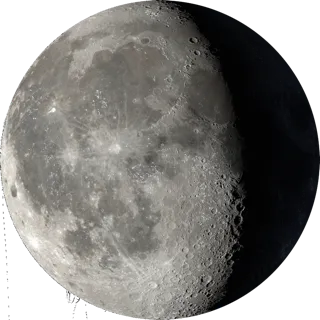
Up to 20 meteors an hour at the peak under a perfectly dark sky; expect fewer in practice, and fewer still away from the peak. Tonight, a 96% lit Moon is up all night and will wash out the fainter meteors.
Next up: Morning planetary line-up — 2 Nov 2026.
Heading out tonight? See when to see the ISS tonight, the best nights for the Milky Way, or meteor shower tonight for what is active and when it is dark enough. Pair a clear-sky night with the cloud inversion forecast and each peak’s stargazing score in the AI Mountain Explorer.
10 Sep – 20 Nov 2026 (peak 10 Oct)
A low, slow shower from Comet 2P/Encke, famous for bright fireballs rather than numbers; radiant in Taurus, best after midnight.
2 Oct – 7 Nov 2026 (peak 21 Oct)
About 20 fast meteors an hour at the peak; radiant near Orion's belt; best after midnight. Debris from Halley's Comet, with some interference from a waxing gibbous Moon this year.
2 Nov 2026
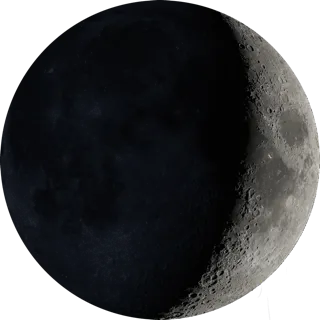
Regulus, Jupiter, Mars, a thin crescent Moon and the Beehive Cluster form a striking line across the dawn sky.
20 Oct – 10 Dec 2026 (peak 12 Nov)
The northern branch of the Taurids, peaking a month after its southern twin; again a low rate but a good chance of slow, bright fireballs.
6 Nov – 30 Nov 2026 (peak 18 Nov)
About 15 very fast meteors an hour; radiant in Leo; best after midnight. The Leonids produce a storm roughly every 33 years — this is not one of those years, but they are worth a look.
20 Nov 2026
Third western elongation of Mercury (about 20°); morning visibility.
24 Nov 2026
A full Moon near perigee: larger and brighter than an average full moon, and bright enough to wash out fainter targets for a couple of nights either side.
25 Nov 2026
Uranus lies opposite the Sun and is visible all night; findable in binoculars from a dark site, and a small green disc in a telescope.
1 Dec – 31 Dec 2026
The brightest periodic comet of the year, reaching about magnitude 4; low in the evening sky from the UK through December, so you need a clear western horizon.
4 Dec – 20 Dec 2026 (peak 14 Dec)
The most reliable shower of the year: up to 150 colourful meteors an hour, radiant near Castor in Gemini, and good from about 22:00 onwards. A waxing crescent Moon sets early, leaving properly dark skies.
21 Dec 2026, 20:50 GMT
The shortest day of the year, with under eight hours of daylight in the UK — and the longest night for anyone heading out to observe.
17 Dec – 26 Dec 2026 (peak 22 Dec)
A modest shower of about 10 meteors an hour from a radiant near the Little Dipper in Ursa Minor; best in the hours before dawn.
24 Dec 2026
The final full Moon of 2026 falls near perigee, appearing up to 14% larger and 30% brighter than a full moon at apogee.
1 Jan – 31 Jan 2027
One of Encke's best returns for UK observers since 2003, brightening quickly and possibly reaching magnitude 5 by late January. It sits well up in the south-west after dark early in the month, then sinks into the evening twilight; binoculars recommended. Comet brightness is notoriously unpredictable.
3 Jan 2027
Venus reaches its greatest distance west of the Sun (about 47°) and shines brilliantly as the morning star, around 20° up in the south-south-east at sunrise.
28 Dec – 12 Jan 2027 (peak 4 Jan)
Sharp peak in the early hours of 4 January; up to 80 meteors an hour under ideal skies; radiant in Boötes, climbing high before dawn. A thin waning crescent Moon does not rise until about 05:45, so the peak hours stay dark.
22 Jan 2027
The closest and brightest full Moon of 2027, less than a day after perigee at about 357,600 km. Full at 12:17, so look for it rising in the north-east at dusk.
3 Feb 2027
Mercury stands about 18° east of the Sun; one of its best evening showings of the year from the UK, around 10° up in the west-south-west half an hour after sunset.
11 Feb 2027
Jupiter lies opposite the Sun and is visible all night, riding high in the south around midnight at magnitude -2.6. Its four bright moons are easy in binoculars.
19 Feb 2027
Mars is opposite the Sun and visible all night, high in the south around midnight at magnitude -1.3. This is a distant opposition, so the disc is small in a telescope (about 14 arcseconds).
20 Feb 2027, 23:13 GMT
The full Moon slips through Earth's outer shadow from 21:12 to 01:13, and around 23:13 its upper edge only just misses the dark umbra, so look for a distinct grey shading on that side. The Moon is high in the south and the whole eclipse is visible from the UK. Safe to watch with the naked eye.
20 Mar 2027, 20:25 GMT
The Sun crosses the celestial equator heading north; day and night are nearly equal and astronomical spring begins.
16 Apr – 25 Apr 2027 (peak 23 Apr)
About 18 meteors an hour at the peak before dawn on 23 April; radiant near Vega in Lyra, best after midnight. A waning gibbous Moon only two days past full washes out all but the brightest meteors this year.
19 Apr – 28 May 2027 (peak 6 May)
Peaks around 6 May with a new Moon, so the sky is fully dark. The radiant in Aquarius barely clears the UK horizon before dawn, so expect a handful of long meteors an hour rather than the 40-plus seen further south. Dust from Halley's Comet.
28 May 2027
Mercury reaches about 23° east of the Sun; a good evening apparition for the UK, around 12° up in the west-north-west 40 minutes after sunset.
21 Jun 2027, 15:11 BST
The longest day of the year: the Sun reaches its northernmost point and astronomical summer begins. Northern Britain gets no true darkness around now.
15 Jul 2027
Mercury reaches about 21° west of the Sun; a fair morning showing, low in the east-north-east before sunrise. Binoculars help, and it climbs a little higher over the following week.
3 Jul – 15 Aug 2027 (peak 31 Jul)
A slow shower of about 5 meteors an hour, but known for bright yellow fireballs; radiant in Capricornus, low in the south from the UK. A thin crescent Moon rises only in the early hours, leaving the late evening dark.
12 Jul – 23 Aug 2027 (peak 31 Jul)
A steady stream of about 25 meteors an hour at best; radiant in Aquarius, low from UK latitudes so favour a clear southern horizon. Only a thin waning crescent Moon this year.
2 Aug 2027, 10:00 BST
Total in southern Spain and North Africa, partial from the UK. From London the eclipse begins at 09:03, peaks at 10:00 with about 42% of the Sun covered, and ends at 10:59. Coverage is greatest in the south (about 44% in Southampton and 42% in Cardiff) and falls to about 35% in Manchester, 32% in Belfast and 27% in Glasgow and Edinburgh. The Sun is about 40° up in the south-east, so most views will do.
Safety: Never look at the Sun directly, and never through binoculars, a telescope or a camera without a certified solar filter. Use ISO-certified eclipse glasses or project the image onto card.
17 Jul – 24 Aug 2027 (peak 13 Aug)
The year's best shower for UK observers: up to 100 meteors an hour at the peak on the night of 12–13 August, radiant in Perseus, best after midnight. A bright waxing gibbous Moon sets around 01:30, leaving the pre-dawn hours dark.
16 Sep 2027
The full Moon closest to the autumnal equinox, full at 00:03 on 16 September; it rises soon after sunset on several evenings in a row, traditionally lighting the harvest.
23 Sep 2027, 07:02 BST
The Sun crosses the celestial equator heading south and astronomical autumn begins, the point where dark evenings start returning to the hills.
28 Sep 2027
Neptune lies opposite the Sun and is visible all night, highest around midnight. At magnitude 7.7 you will need binoculars or a telescope and a finder chart.
6 Oct – 10 Oct 2027 (peak 9 Oct)
Usually only about 10 meteors an hour, but the Draconids occasionally burst into a storm. Unusually, they are best in the early evening rather than after midnight; radiant in Draco. A first-quarter Moon brightens the evening sky this year.
10 Sep – 20 Nov 2027 (peak 10 Oct)
A low, slow shower from Comet 2P/Encke, famous for bright fireballs rather than numbers; radiant in Taurus, best after midnight.
15 Oct 2027
The first full Moon after the Harvest Moon, full at 14:47; it rises in the east around sunset.
18 Oct 2027
The ringed planet lies opposite the Sun: visible all night and at its brightest (magnitude 0.1), due south around midnight. An excellent target for even a small telescope.
2 Oct – 7 Nov 2027 (peak 22 Oct)
About 20 fast meteors an hour at the peak; radiant near Orion's belt; best after midnight. Debris from Halley's Comet. A last-quarter Moon rises in the late evening and interferes with the best hours this year.
4 Nov 2027
Mercury reaches about 19° west of the Sun; its best morning apparition of the year for the UK, around 10° up in the east-south-east half an hour before sunrise.
20 Oct – 10 Dec 2027 (peak 13 Nov)
The northern branch of the Taurids, peaking a month after its southern twin; a low rate but a good chance of slow, bright fireballs. The full Moon on 14 November spoils the peak this year.
6 Nov – 30 Nov 2027 (peak 18 Nov)
About 15 very fast meteors an hour; radiant in Leo; best after midnight. A waning gibbous Moon rises around 20:00 and lights the sky for the best hours this year.
25 Nov 2027
Venus passes about 0.3° from Mars, but very low in the south-west after sunset, only around 5° up half an hour after the Sun goes down. You will need a flat horizon and binoculars to pick out faint Mars beside brilliant Venus; wait until the Sun has fully set.
30 Nov 2027
Uranus lies opposite the Sun and is visible all night, riding high around midnight; findable in binoculars from a dark site at magnitude 5.6, and a small green disc in a telescope.
13 Dec 2027
The last full Moon of 2027, full at 16:09 and rising in the north-east at dusk. It rides high through the long December night and spoils the Geminids the following night.
4 Dec – 20 Dec 2027 (peak 14 Dec)
Usually the most reliable shower of the year, with up to 150 colourful meteors an hour and a radiant near Castor in Gemini. This year the peak falls the night after full Moon, so moonlight cuts the count to the brightest meteors only.
22 Dec 2027, 02:42 GMT
The shortest day of the year, with under eight hours of daylight in the UK, and the longest night for anyone heading out to observe.
17 Dec – 26 Dec 2027 (peak 23 Dec)
A modest shower of about 10 meteors an hour from a radiant near the Little Dipper in Ursa Minor; best in the hours before dawn. A waning crescent Moon rises around 03:40.
Yes: the Orionid meteor shower is active, peaking on the night of 20–21 Oct (up to 20 meteors an hour under a dark sky). Best after midnight, once Orion is up in the south-east.
The next shower to peak is the Northern Taurid meteor shower, peaking on the night of 11–12 Nov (up to 5 meteors an hour under a dark sky). Best around midnight, when Taurus is high in the south.
Usually the Perseids in August or the Geminids in December, the two strongest showers of the year, with the Quadrantids in early January close behind. Moonlight decides it: the calendar above gives every meteor shower in 2026–27 with its peak night and how much of the Moon will be up.
Usually after midnight and before dawn, when the radiant is high and your side of the Earth faces into the stream. Give your eyes 20 minutes to adjust, keep your phone screen off, and pick a night when the Moon is down.
Somewhere dark and away from towns, with a wide view of the sky: the Dark Sky Parks and Reserves at Galloway Forest, Northumberland, Eryri (Snowdonia) and Bannau Brycheiniog (Brecon Beacons), or the Cairngorms and the Scottish Highlands.
The penumbral lunar eclipse, on 20 Feb 2027, 23:13 GMT.

Britain’s darkest skies sit over its upland national parks. Each area below lists the peaks with full guides, forecasts and stargazing scores.