
Ursid meteor shower 2026: UK peak night and best time
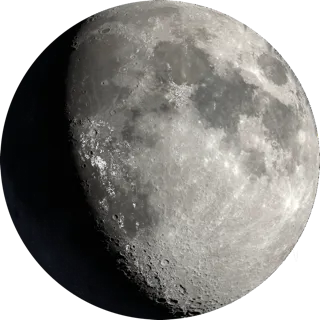 94% moon
Peak night: 21–22 Dec 2026 Peak in 64 days
Active 17 Dec – 26 Dec 2026. 17 Dec Peak 26 Dec Best in the hours before dawn, high in the north.
Up to 10 meteors an hour at the peak under a perfectly dark sky; expect fewer in practice. On the peak night, a 94% lit Moon is up all night and will wash out the fainter meteors.
The year after: peak night 22–23 Dec 2027. Moonlight is no problem: the Moon is only 22% lit.
The Ursids at a glance
- Radiant
- The Little Dipper, near Kochab in Ursa Minor
- Parent
- Comet 8P/Tuttle
- Meteor speed
- About 33 km/s (73,821 mph)
- Peak rate (ZHR)
- Up to 10 an hour
How many meteors to expect
A quiet shower: usually about 10 an hour at the peak, with occasional outbursts of 25 to 50 an hour. The peak is short and its timing varies from year to year.
How to find the radiant
Find the Pole Star, Polaris, at the end of the Little Dipper's handle, then follow the Dipper round to its bowl. The radiant is near Kochab, the brighter of the two stars at the end of the bowl. From the UK the radiant never sets and is highest in the north before dawn, so look in the early morning.
About the Ursids
The Ursids come from Comet Tuttle, which orbits the Sun about every 13.6 years. They are strictly a northern hemisphere shower. Major outbursts were seen in 1945 and 1986, and smaller rises in several years since, but they do not line up neatly with the comet's returns, so each year is hard to predict. They peak a few days before Christmas and are often missed, falling so soon after the Geminids.
Where to watch the Ursids in the UK
Get away from street lights to somewhere with a wide view of the sky. Britain’s darkest skies sit over its upland national parks and Dark Sky Parks; each area below lists the peaks with forecasts and stargazing scores.
Ursids questions
When is the Ursid meteor shower 2026?
The Ursids are active from 17 December to 26 December 2026 and peak on the night of 21–22 Dec 2026.
What time is best to see the Ursids?
Best in the hours before dawn, high in the north. On the peak night, a 94% lit Moon is up all night and will wash out the fainter meteors.
Where should I look to see the Ursids?
The meteors appear to come from the Little Dipper, near Kochab in Ursa Minor. Find the Pole Star, Polaris, at the end of the Little Dipper's handle, then follow the Dipper round to its bowl. The radiant is near Kochab, the brighter of the two stars at the end of the bowl. From the UK the radiant never sets and is highest in the north before dawn, so look in the early morning.
How many Ursids will I see?
A quiet shower: usually about 10 an hour at the peak, with occasional outbursts of 25 to 50 an hour. The peak is short and its timing varies from year to year.
More showers: Quadrantids · Lyrids · Eta Aquariids · Southern Delta Aquariids · Alpha Capricornids · Perseids · Draconids · Orionids · Taurids · Leonids · Geminids. Every sky event this year: the UK sky calendar.