
Quadrantid meteor shower 2027: UK peak night and best time
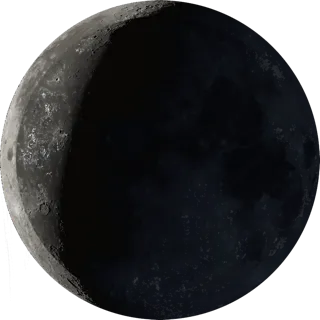 13% moon
Peak night: 3–4 Jan 2027 Peak in 77 days
Active 28 Dec – 12 Jan 2027. 28 Dec Peak 12 Jan Best in the hours before dawn, as Boötes climbs high in the north-east.
Up to 80 meteors an hour at the peak under a perfectly dark sky; expect fewer in practice. On the peak night, moonlight is no problem: the Moon is only 13% lit.
The Quadrantids at a glance
- Radiant
- Northern Boötes, near the end of the Plough's handle
- Parent
- Probably the minor planet 2003 EH1
- Meteor speed
- About 41 km/s (91,717 mph)
- Peak rate (ZHR)
- Up to 80 an hour
How many meteors to expect
The peak is sharp: the best rates last only a few hours, and a ZHR anywhere from about 60 to 200 has been seen. Away from that window, rates fall quickly. The shower is known for bright fireballs.
How to find the radiant
Find the Plough and follow the curve of its handle away from the pan. The radiant lies a little beyond the last star, Alkaid, towards the head of Draco. From the UK it is low in the north in the evening and climbs high in the north-east before dawn, which is why the hours before first light are best. Meteors appear all over the sky, so look about 40 degrees away from the radiant rather than straight at it.
About the Quadrantids
The shower is named after Quadrans Muralis, the Mural Quadrant, a former constellation whose stars are now part of Boötes. In 2004 the astronomer Peter Jenniskens suggested that the minor planet 2003 EH1 was the parent body, and that is now the accepted link. The peak lasts only a few hours, so where in the world it falls in darkness changes from year to year. Early January weather in the UK is often poor, which is why the Quadrantids are less watched than the Perseids or Geminids despite similar peak rates.
Where to watch the Quadrantids in the UK
Get away from street lights to somewhere with a wide view of the sky. Britain’s darkest skies sit over its upland national parks and Dark Sky Parks; each area below lists the peaks with forecasts and stargazing scores.
Quadrantids questions
When is the Quadrantid meteor shower 2027?
The Quadrantids are active from 28 December to 12 January 2027 and peak on the night of 3–4 Jan 2027.
What time is best to see the Quadrantids?
Best in the hours before dawn, as Boötes climbs high in the north-east. On the peak night, moonlight is no problem: the Moon is only 13% lit.
Where should I look to see the Quadrantids?
The meteors appear to come from northern Boötes, near the end of the Plough's handle. Find the Plough and follow the curve of its handle away from the pan. The radiant lies a little beyond the last star, Alkaid, towards the head of Draco. From the UK it is low in the north in the evening and climbs high in the north-east before dawn, which is why the hours before first light are best. Meteors appear all over the sky, so look about 40 degrees away from the radiant rather than straight at it.
How many Quadrantids will I see?
Up to about 80 an hour at the peak, under a perfectly dark sky with the radiant overhead. The peak is sharp: the best rates last only a few hours, and a ZHR anywhere from about 60 to 200 has been seen. Away from that window, rates fall quickly. The shower is known for bright fireballs.
More showers: Lyrids · Eta Aquariids · Southern Delta Aquariids · Alpha Capricornids · Perseids · Draconids · Orionids · Taurids · Leonids · Geminids · Ursids. Every sky event this year: the UK sky calendar.