
Orionid meteor shower 2026: UK peak night and best time
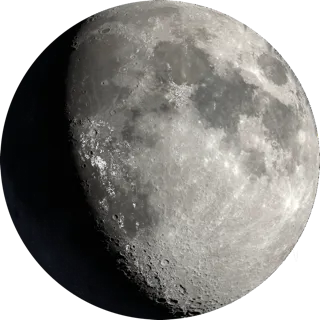 72% moon
Peak night: 20–21 Oct 2026 Peak in 2 days
Active 2 Oct – 7 Nov 2026. Today 2 Oct Peak 7 Nov Best after midnight, once Orion is up in the south-east.
Up to 20 meteors an hour at the peak under a perfectly dark sky; expect fewer in practice. On the peak night, a 72% lit Moon sets at about 01:44, so the darkest skies come after that.
The year after: peak night 21–22 Oct 2027. A 58% lit Moon rises at about 21:51, so look before then.
The Orionids at a glance
- Radiant
- Northern Orion, a little north-east of Betelgeuse towards Gemini
- Parent
- Halley's Comet (1P/Halley)
- Meteor speed
- About 66 km/s (147,642 mph)
- Peak rate (ZHR)
- Up to 20 an hour
How many meteors to expect
About 20 an hour at the peak under dark skies. The peak is broad and can hold steady for several nights, so the nights either side are almost as good. Orionids are fast and many leave fine trains.
How to find the radiant
Find Orion's Belt, then look up and to the left at the orange star Betelgeuse. The radiant lies a little to the north-east of it, near the border with Gemini. Orion rises in the east around 22:00 in late October and is well up in the south by the early hours, so the best views are after midnight.
About the Orionids
The Orionids are dust from Halley's Comet, which orbits the Sun about every 76 years and is also the source of the Eta Aquariids in May. Most years give peak rates of 20 to 30 an hour, but every return from 2006 to 2009 was unexpectedly strong, with rates of about 40 to 70 an hour on two or three nights in a row. In some years a second, smaller peak a few nights before the main one has been almost as strong.
Where to watch the Orionids in the UK
Get away from street lights to somewhere with a wide view of the sky. Britain’s darkest skies sit over its upland national parks and Dark Sky Parks; each area below lists the peaks with forecasts and stargazing scores.
Orionids questions
When is the Orionid meteor shower 2026?
The Orionids are active from 2 October to 7 November 2026 and peak on the night of 20–21 Oct 2026.
What time is best to see the Orionids?
Best after midnight, once Orion is up in the south-east. On the peak night, a 72% lit Moon sets at about 01:44, so the darkest skies come after that.
Where should I look to see the Orionids?
The meteors appear to come from northern Orion, a little north-east of Betelgeuse towards Gemini. Find Orion's Belt, then look up and to the left at the orange star Betelgeuse. The radiant lies a little to the north-east of it, near the border with Gemini. Orion rises in the east around 22:00 in late October and is well up in the south by the early hours, so the best views are after midnight.
How many Orionids will I see?
About 20 an hour at the peak under dark skies. The peak is broad and can hold steady for several nights, so the nights either side are almost as good. Orionids are fast and many leave fine trains.
More showers: Quadrantids · Lyrids · Eta Aquariids · Southern Delta Aquariids · Alpha Capricornids · Perseids · Draconids · Taurids · Leonids · Geminids · Ursids. Every sky event this year: the UK sky calendar.